
Defenders of Ecuadorian Amazon
Ecuador is globally recognized for its rich biodiversity thanks to its tropical rainforests, the presence of Andes, and the influence of the ocean’s currents on its coasts. Around 42% of the total national surface area is covered by forests. Despite that, the country suffers from a high rate of biodiversity loss with a long list of endangered and vulnerable species. Overexploitation, illegal wildlife trafficking, urban expansion, and illegal logging activities are among the causes that keep taking a heavy toll on the fauna and flora of Ecuador.While conservation efforts across the globe have been increasing in the recent years, a remarkable part of that is based on conservation without people in which the region of interest is cut off from the human interaction and local communities are asked to leave the place. This approach disregards the close and profound relationship of indigenous communities and their surrounding environment, the conservation capacities of indigenous communities, as well as their traditional ecological knowledge and cultural values.Kichwa people of Napo region in Ecuador, are among indigenous communities who have initiated conservation activities. The community, which has lived in harmony with its surrounding nature for hundreds of years, is now involved in various conservation projects including wildlife rehabilitation and reintroduction to nature, forest restoration and enrichment, and increasing environmental awareness through promoting activities at schools and communities. This work documents the activities implemented by Kichwa community to prevent further damage to their ecosystem and to rehabilitate their surrounding environment.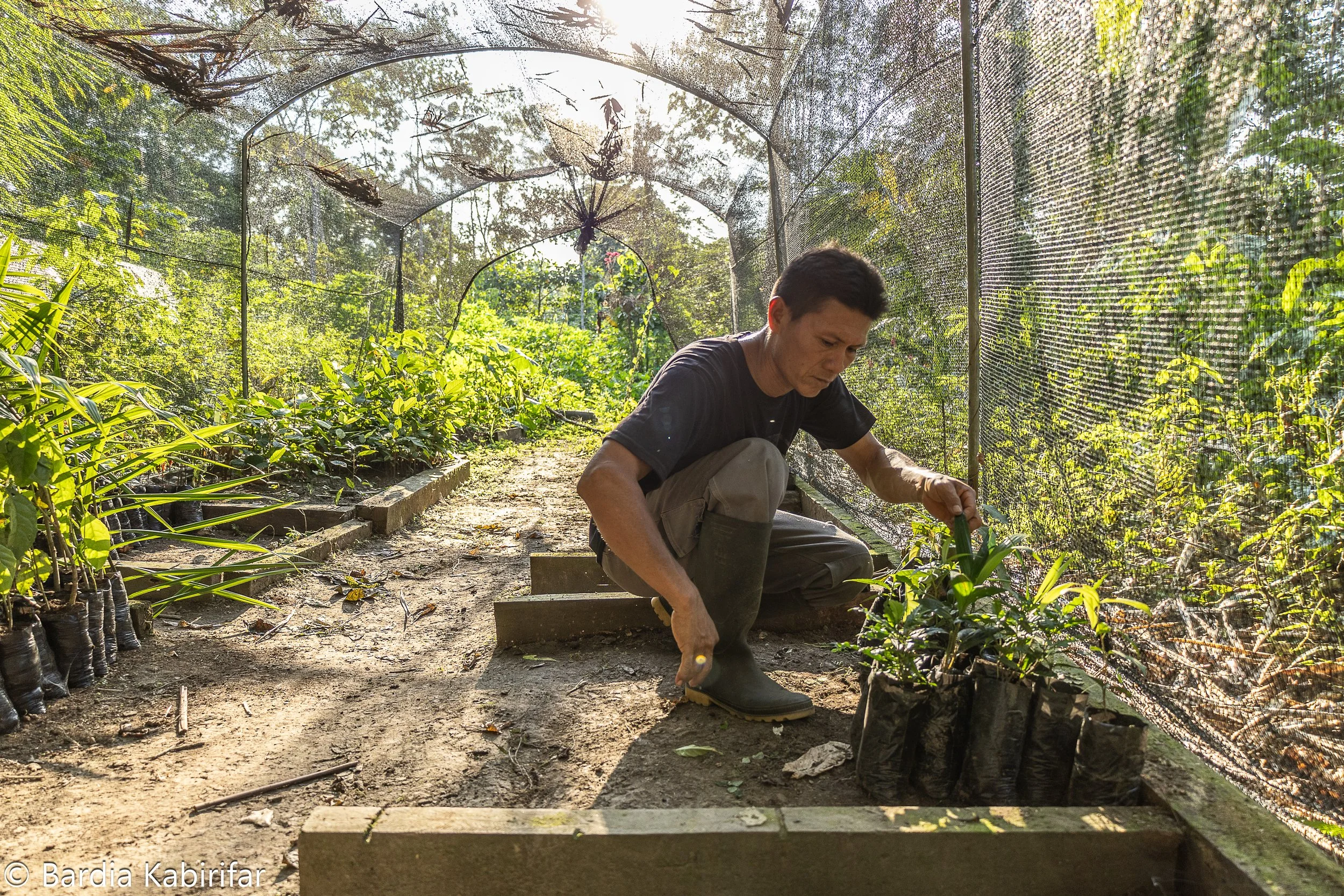
Edison working at his medicinal garden. Within the last few years, he and his son, Abel, have initiated efforts to re-introduce and re-cultivate traditional medicinal plants in their community. In the Kichwa culture, various plants are used for treating illnesses showing the importance of the nature in their daily lives. (September 26th, 2026 Napo, Ecuador)
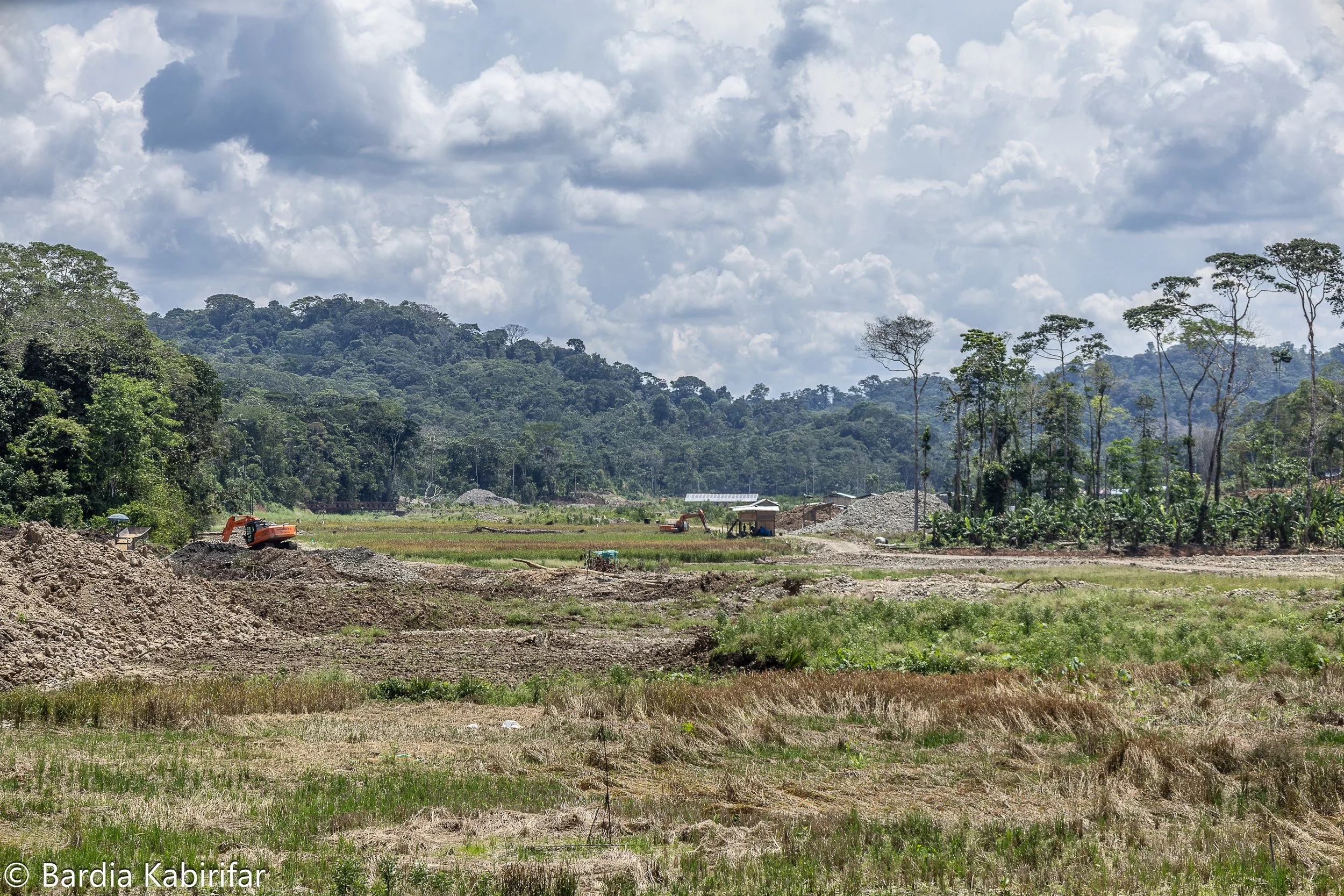
Several illegal mines are active across Napo province. As one of the main deforestation factors, 17% of the Amazon rainforest is affected by mining activities. (October 2nd, 2026 Rio Blanco, Ecuador)
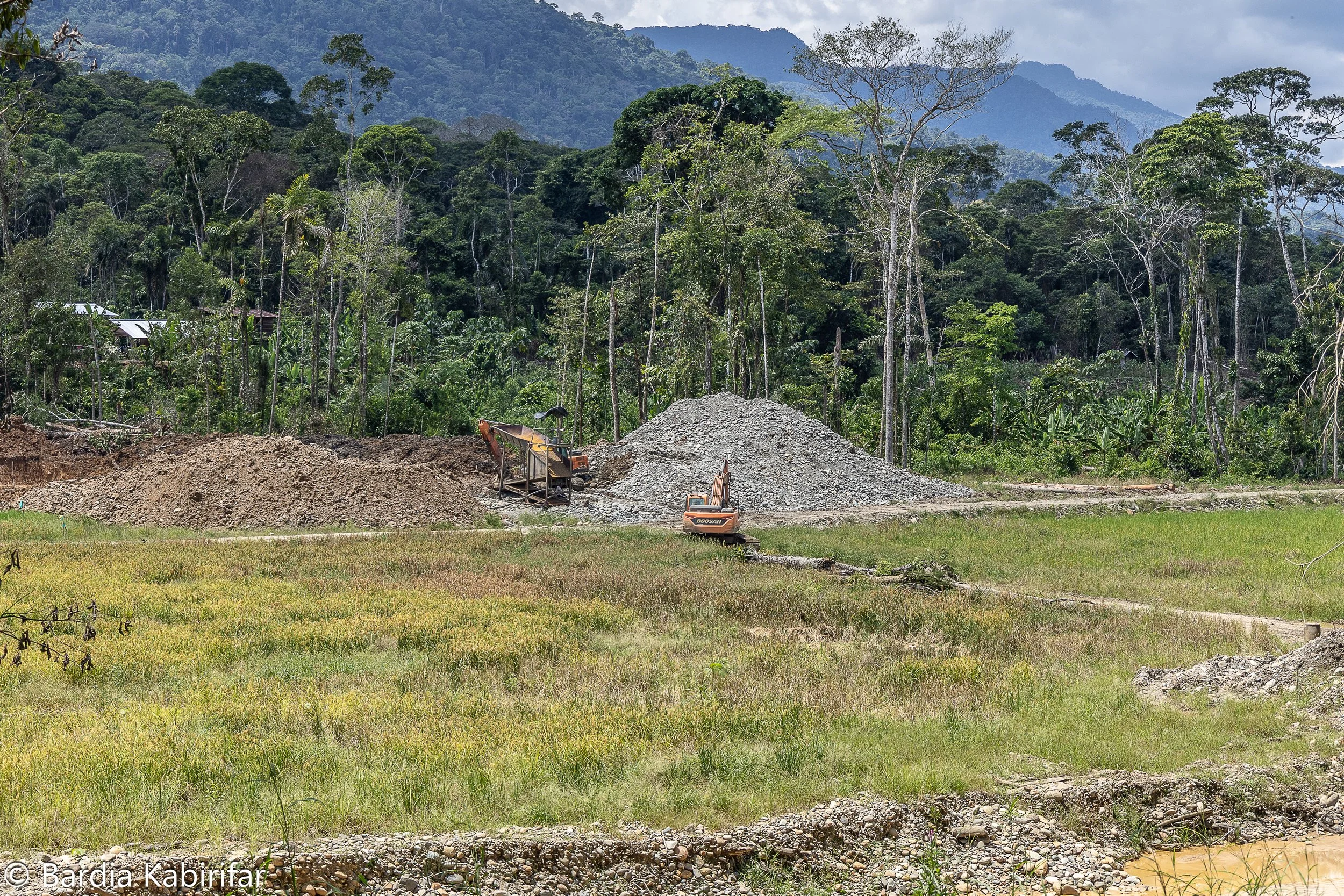
Several illegal mines are active across Napo province. Despite the illegal nature of their activities, no one stops them. As one of the main deforestation factors, 17% of the Amazon rainforest is affected by mining activities. (October 2nd, 2026 Rio Blanco, Ecuador)
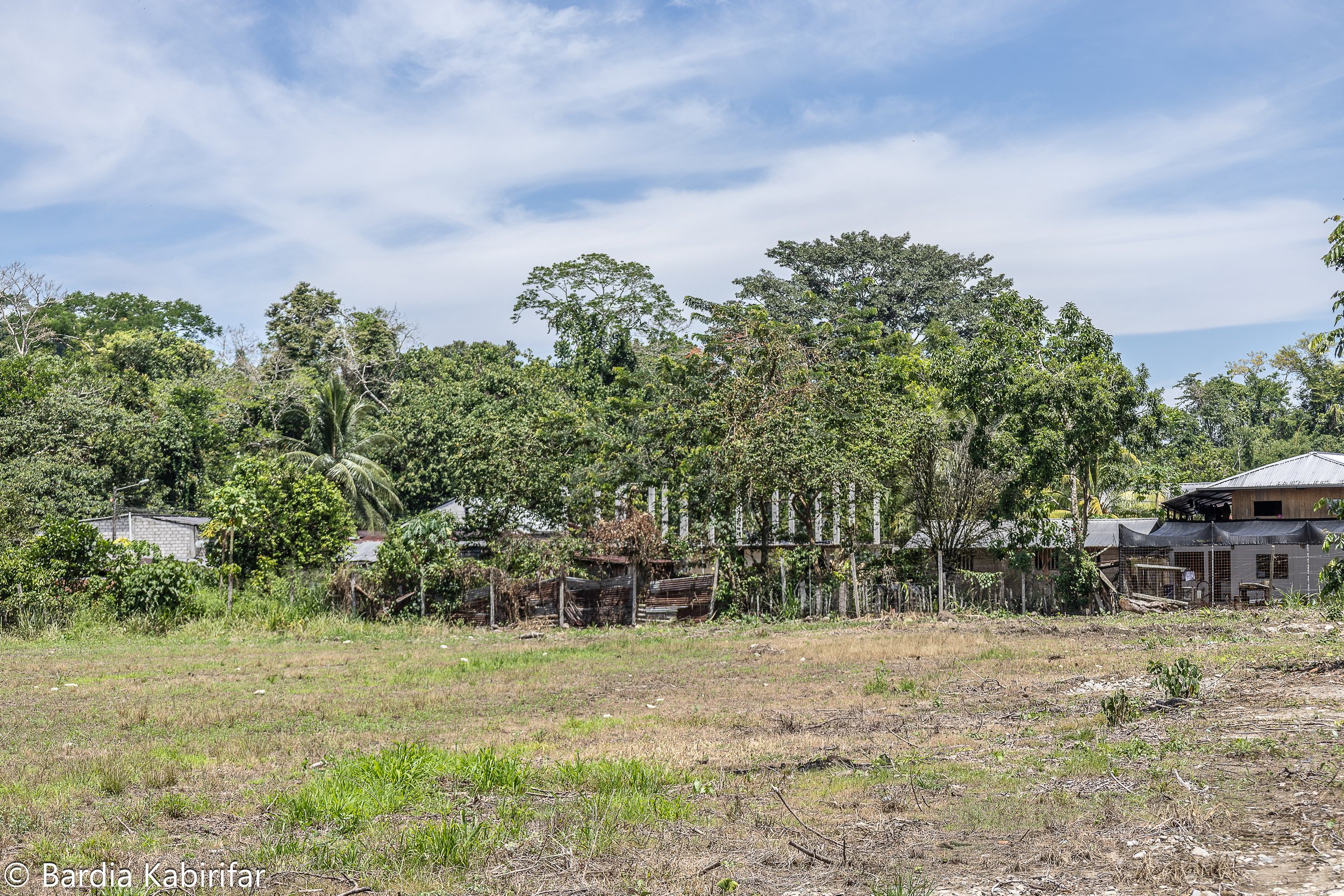
Urban expansion keeps menacing rainforest around Puerto Misahuali. Various cities in the Ecuadorian Amazon are experiencing different level of development which in long term might lead to significant habitat and biodiversity loss. (October 3rd, 2026 Puerto Misahuali, Ecuador)
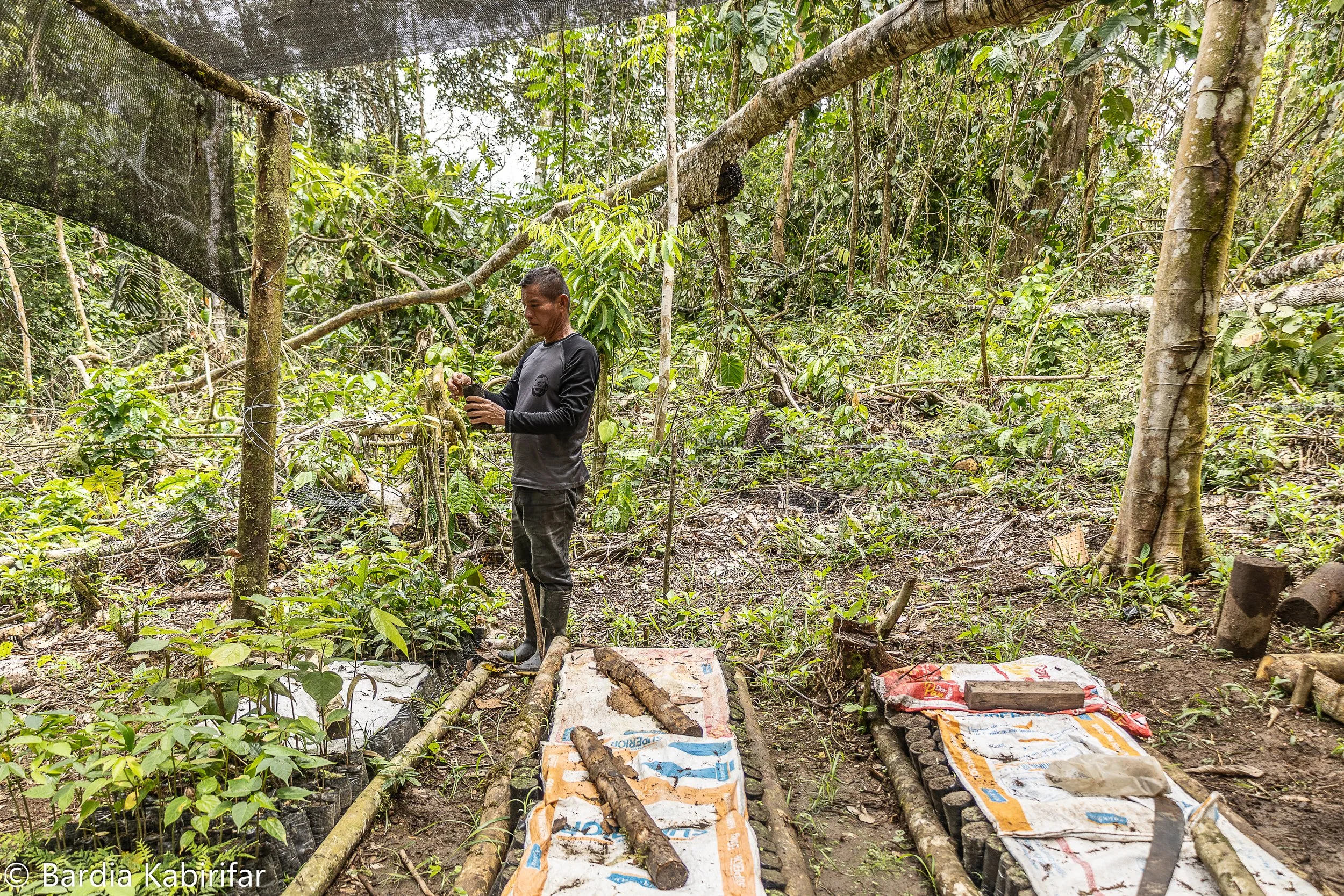
Jorge maintains the trees at Selva Viva nursery. After reaching sufficient growth, plants are moved to the reforestation site. In the last three decades, Selva Viva has helped with preserving primary forests and replanting secondary forests in the Napo region. In the recent years, the local Kichwa community has teamed up with different organizations to preserve the surrounding fauna and flora. (September 30th, 2026 Selva Viva Protected Rainforest, Ecuador)
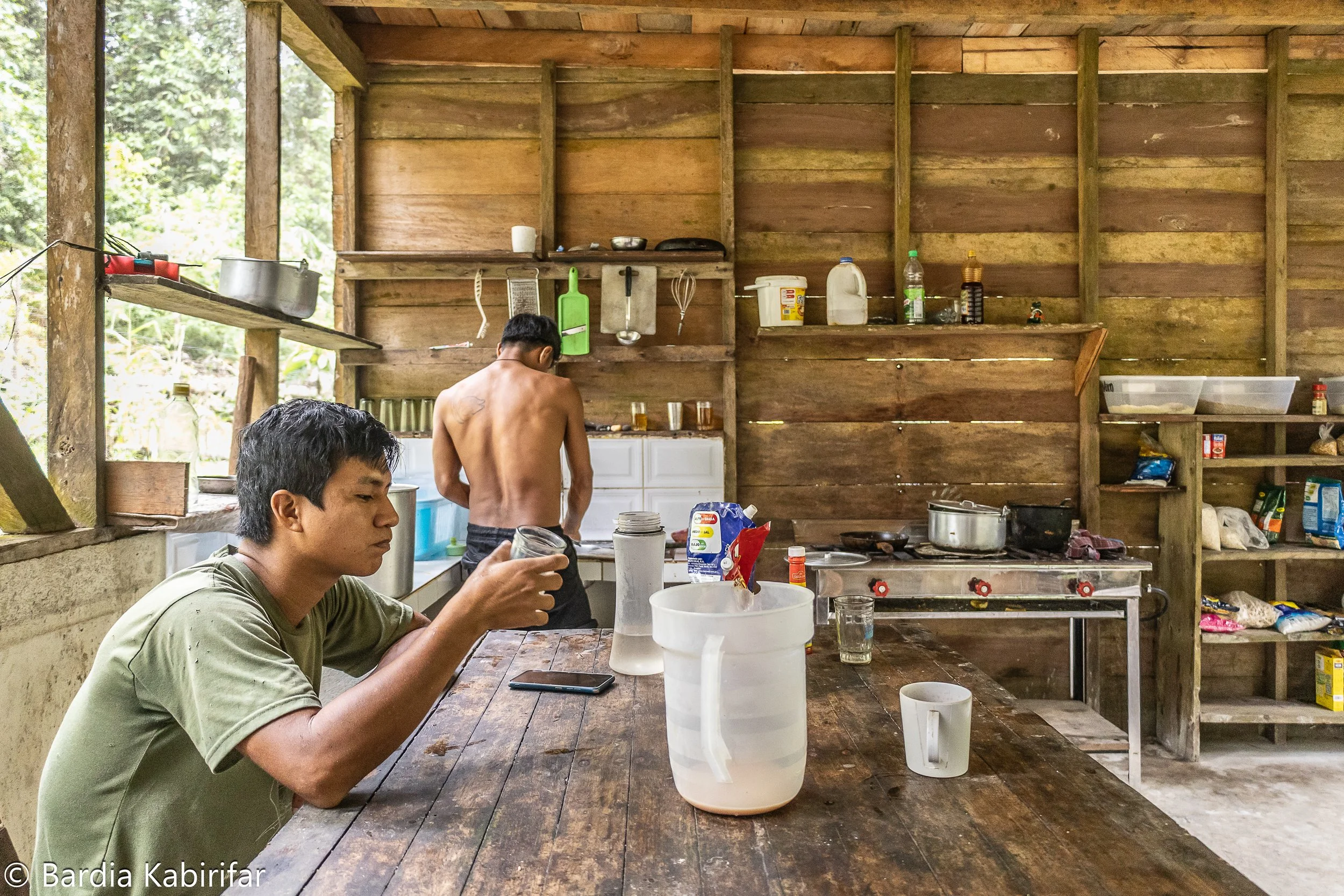
Sakiri and Felix at their forest lodge in the Ecuadorian tropical forests. They both work as rangers for Selva Viva which is a conservation project aiming at protecting Ecuadorian tropical forests. Many Kichwa members are involved in the project. (September 28th, 2026 Selva Viva Protected Rainforest, Ecuador)
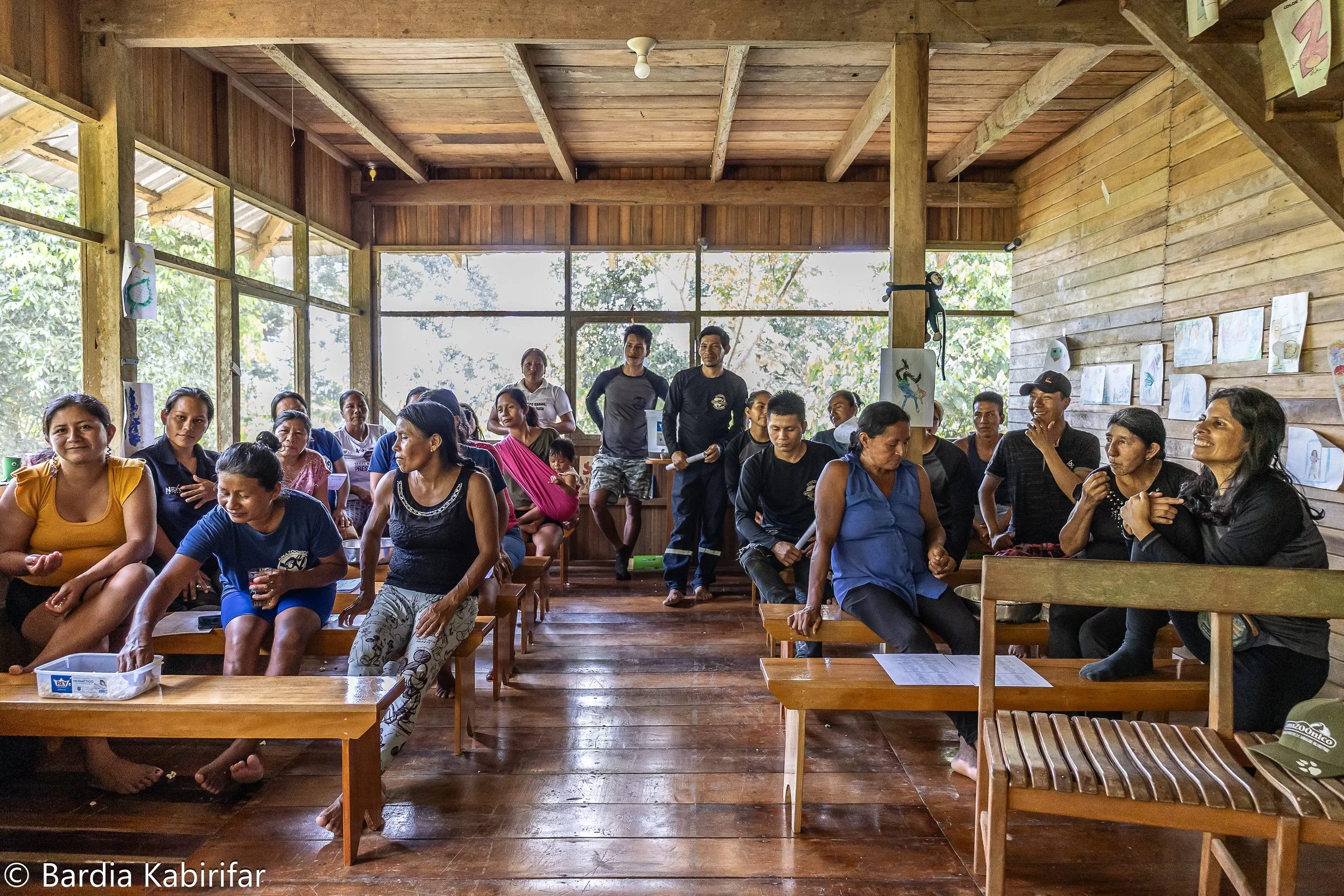
A group of Kichwa members discuss potential reforestation plans. In the recent years, the local community has teamed up with different organizations to preserve the surrounding fauna and flora. (September 26th, 2026 Napo, Ecuador)
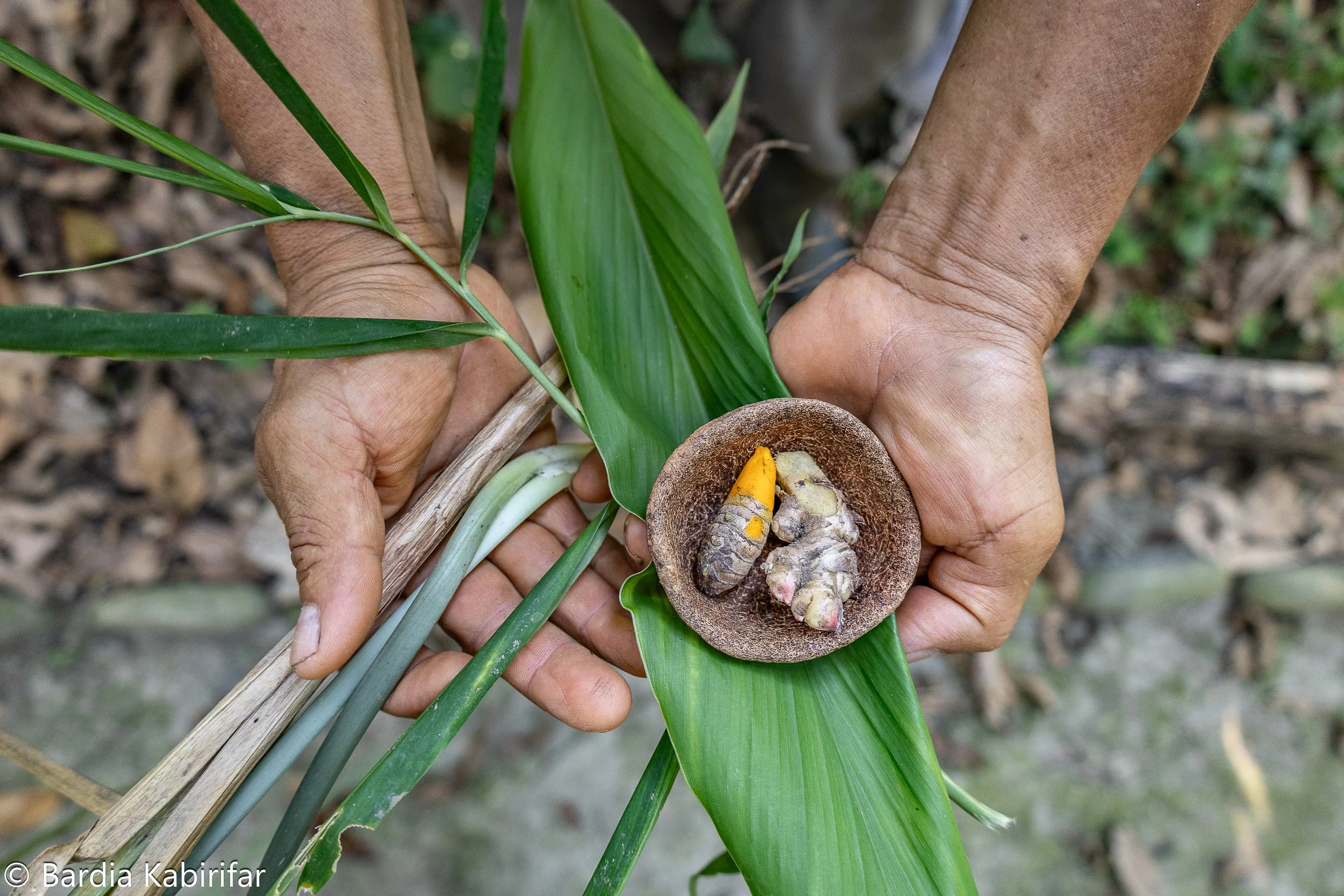
Edison holds various plants that are used as medicine by the Kichwas. Within the last few years, he and his son, Abel, have initiated efforts to re-introduce and re-cultivate traditional medicinal plants in their community. (September 26th, 2026 Napo, Ecuador)
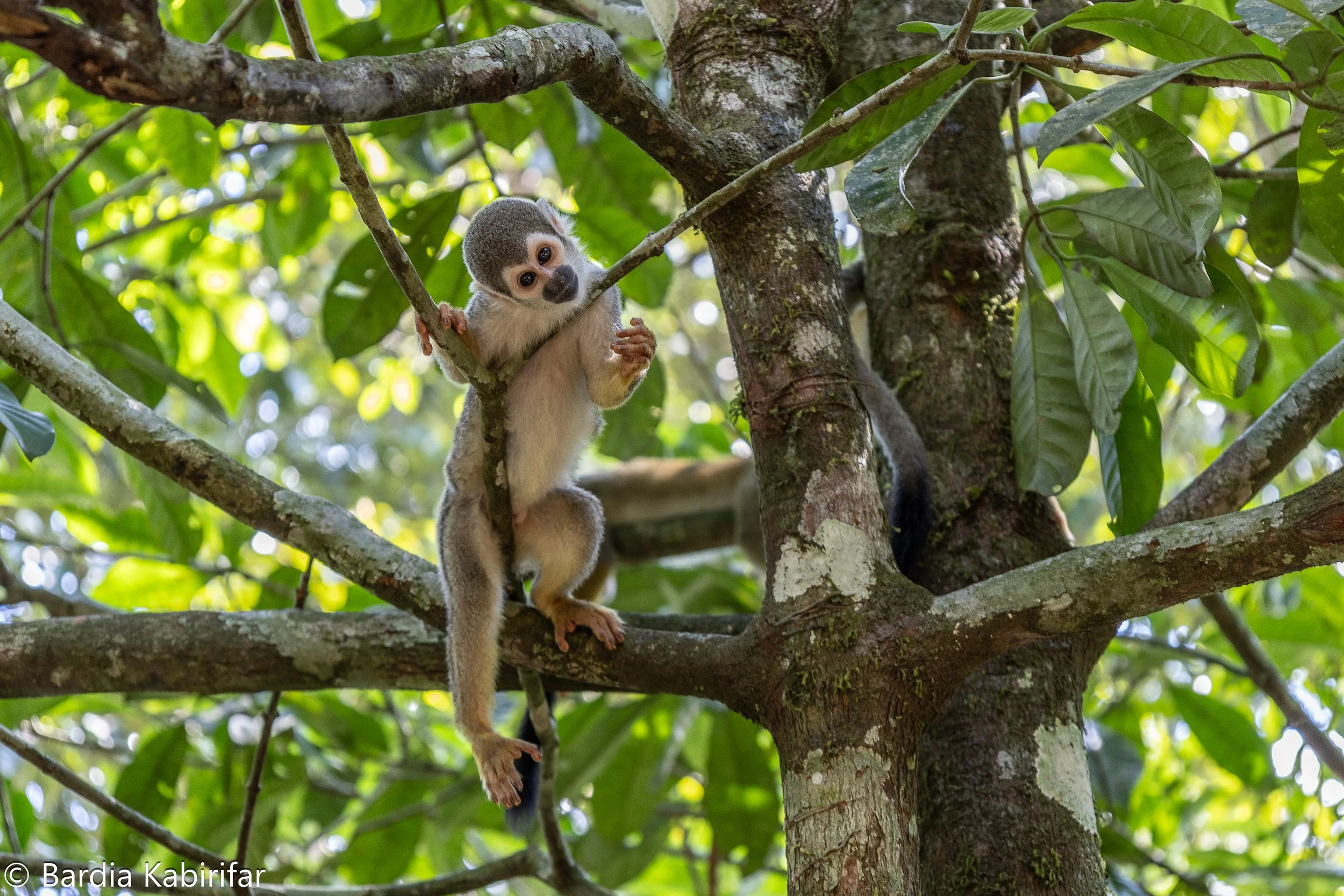
Several species in Ecuador are suffering from degradation and destruction of their habitats due to activities such as illegal mining. (September 26th, 2026 Napo, Ecuador)
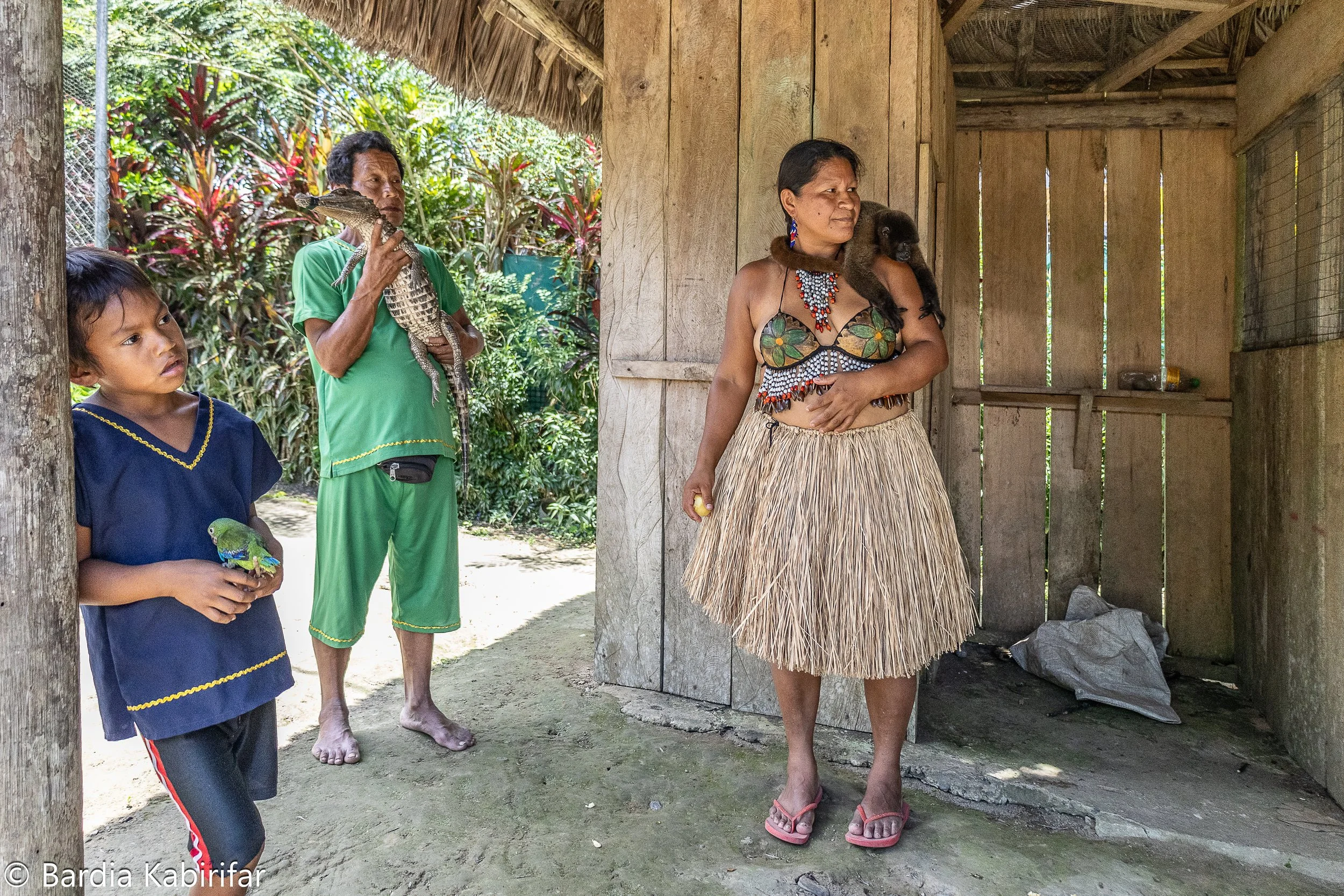
Several species in Ecuador are threatened at different levels. In some rural areas, wildlife animals are kept in poor conditions as pets or as tourist attractions. It is also possible to buy wild animals, a baby woolly monkey can be bought for 400 USD while a baby parrot can be found somewhere around 100 USD. Despite all the efforts, many species still suffer from degradation and destruction of their habitats. (October 3rd, 2026 Puerto Misahuali, Ecuador)
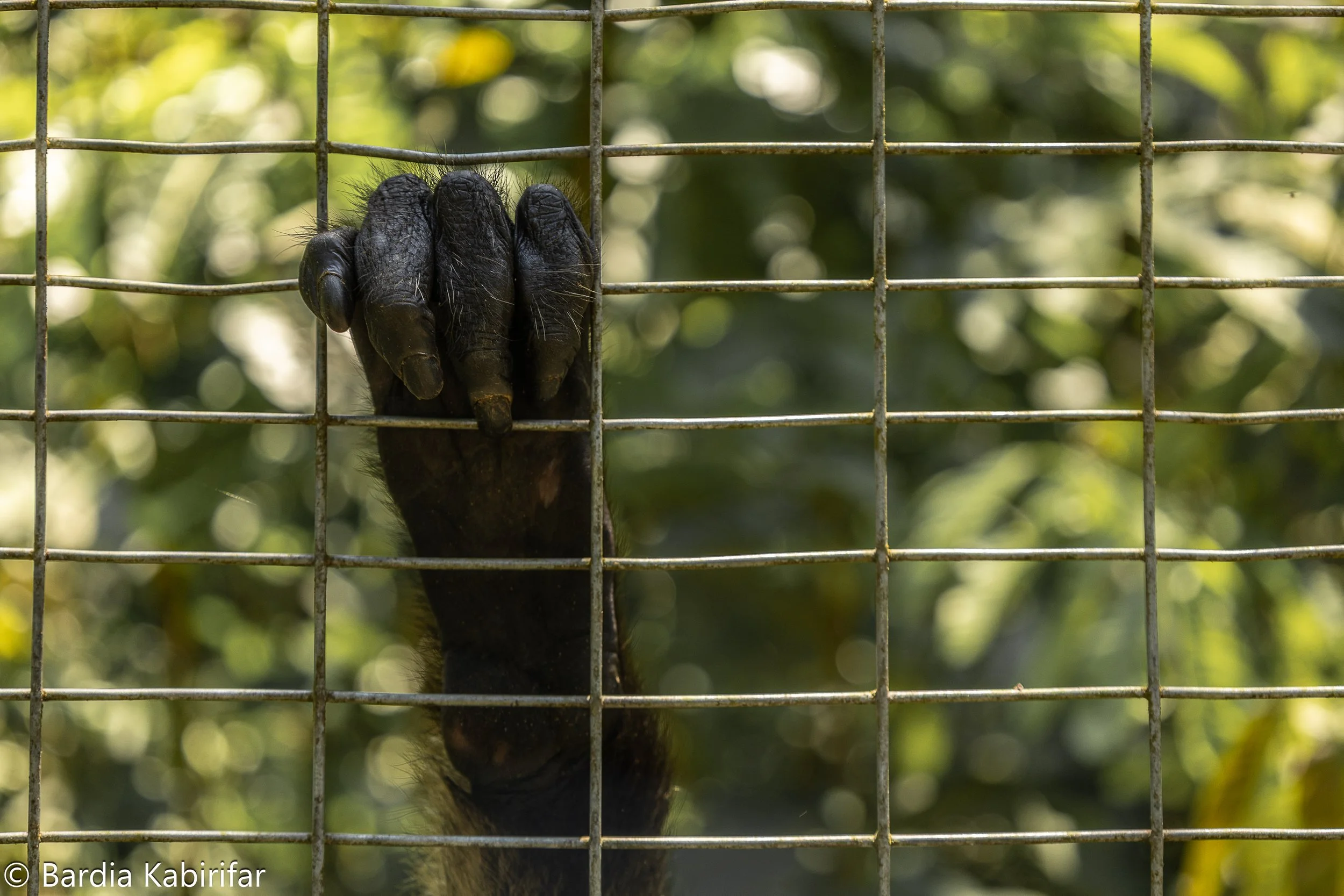
A spider monkey is kept at AmaZOOnico rescue center. The center has initiated a project for re-introducing spider monkeys to nature who are among highly vulnerable species in Ecuador. The process is long and eventually not all the animals can be back to the forest. (September 25th, 2026 AmaZOOnico Rescue Center, Ecuador)
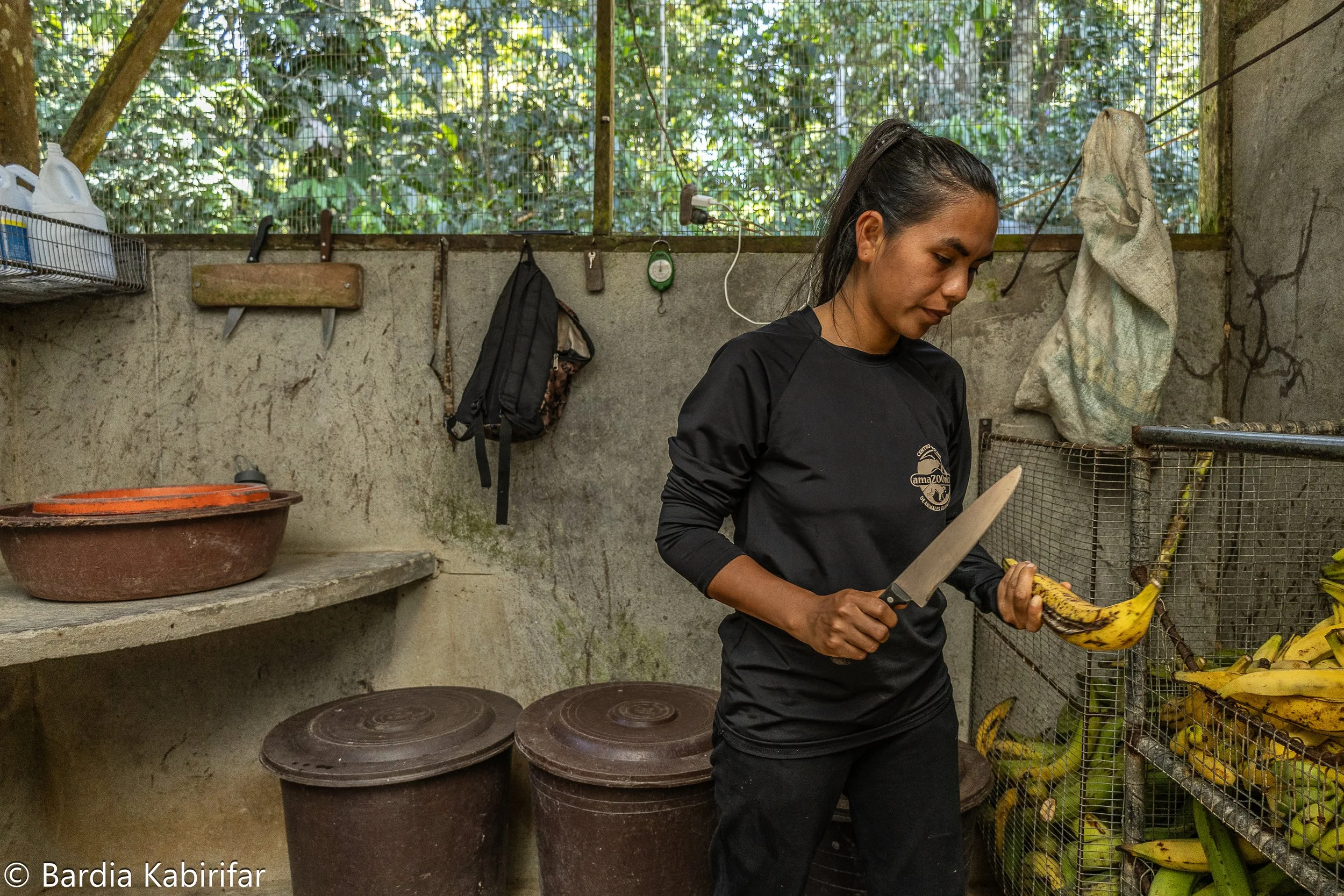
AmaZOOnico rescue center is among few organizations in Ecuador that is focused on re-introduction of wildlife into nature over the last few decades. Sulay is among the Kichwa staff of the wildlife rescue center where she helps confiscated animlas to retain their abilities for living in nature. The rescue center is partially founded and managed by the Kichwa community members. (September 24th, 2026 AmaZOOnico Rescue Center, Ecuador)
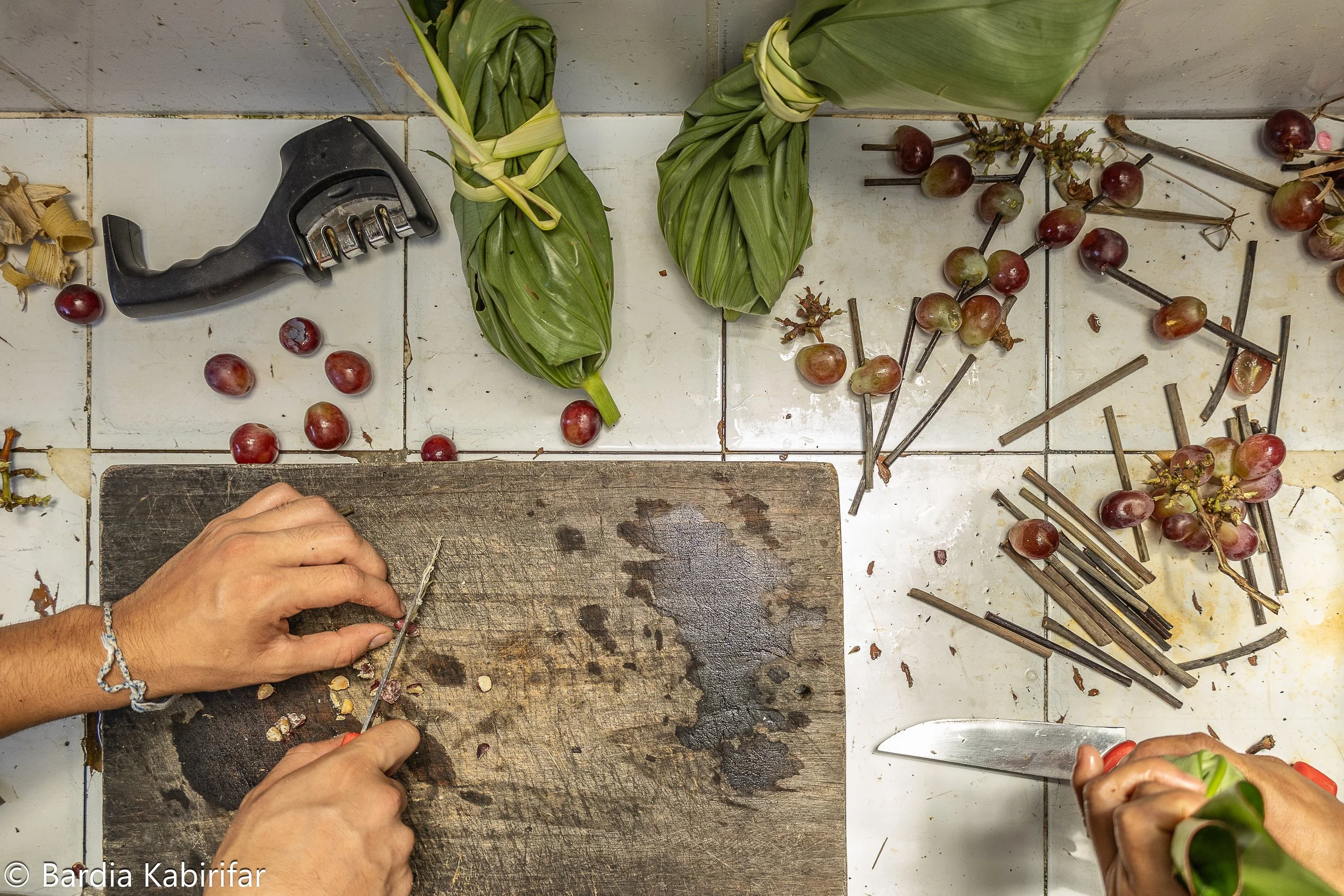
Luci and David, both from the Kichwa community, are preparing food for the rescued animals held at AmaZOOnico rescue center. The process of releasing animals to their natural habitat is a long process including re-teaching them their natural behavior including avoiding humans and finding food. Many of the animals, that are confiscated by the ministry of environment and brought to the rescue centers, would never be able to get back to the nature due to suffering from permanent physical or behavioral damages. (September 24th, 2026 AmaZOOnico Rescue Center, Ecuador)
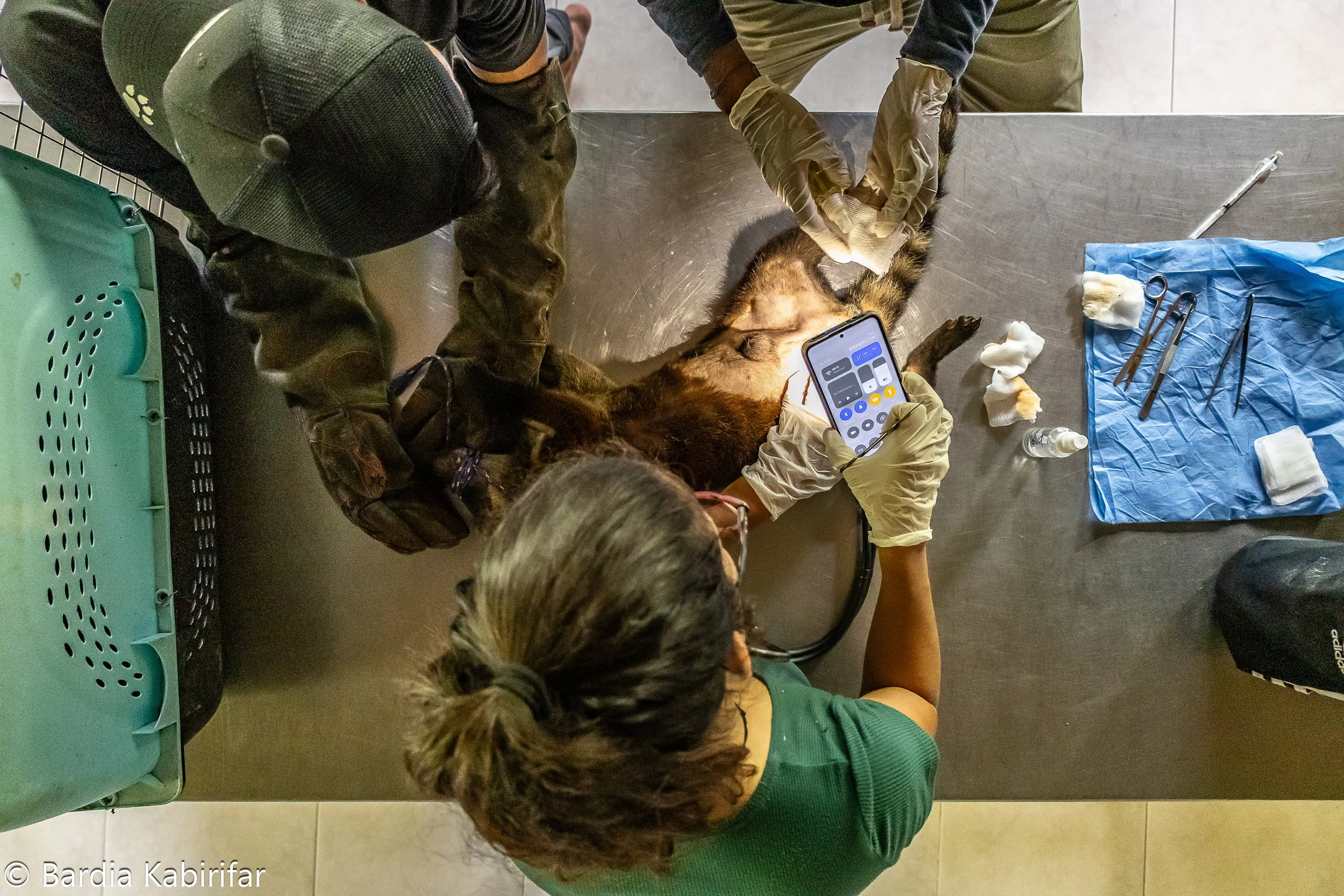
A coati is being examined after having a surgery at the rescue center. Many of the confiscated animals who arrive at the center, have physical and mental problems due to traumas they had in the past. At the rescue center, the animals who have a chance to get back to the nature, go through the re-introduction process while the rest are kept in a condition that resembles their natural habitat. (October 4th, 2024 AmaZOOnico Rescue Center, Ecuador)
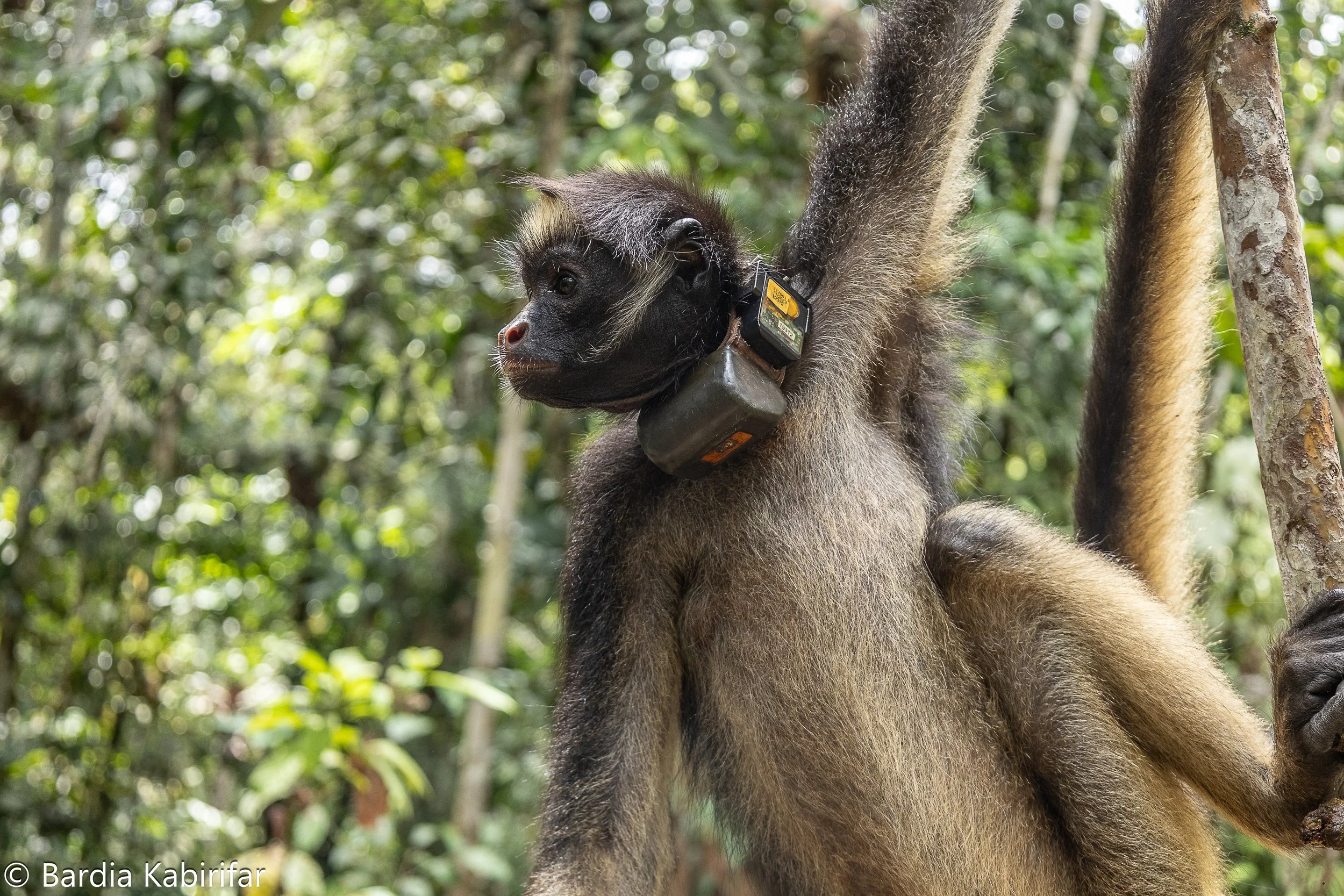
Corny is one of the spider monkeys which is recently liberated after getting recovered at AmaZOOnico rescue center. In the first phase of the liberation, the animals will be out of enclosures but will be supported by the staff to find food. The goal is to help them regaining their food-finding abilities without help of humans. (September 30th, 2026 Selva Viva Protected Rainforest, Ecuador)