
Kichwa People of Ecuador
The Kichwa people constitute the largest indigenous ethnicity in Ecuador with around 800,000 individuals divided into more than 400 communities across the country. The majority of the population lives in the Ecuadorian Amazon with some minor groups living in Colombia and Peru. In Ecuador, they are divided into different groups including Napo Kichwa, or Napu Runa, and Kichwa del Pastaza, or Pastaza Runa. Their language is a close relative of Quechua language of Peru which used to be the official language of Inca empire prior to the arrival of Spaniards.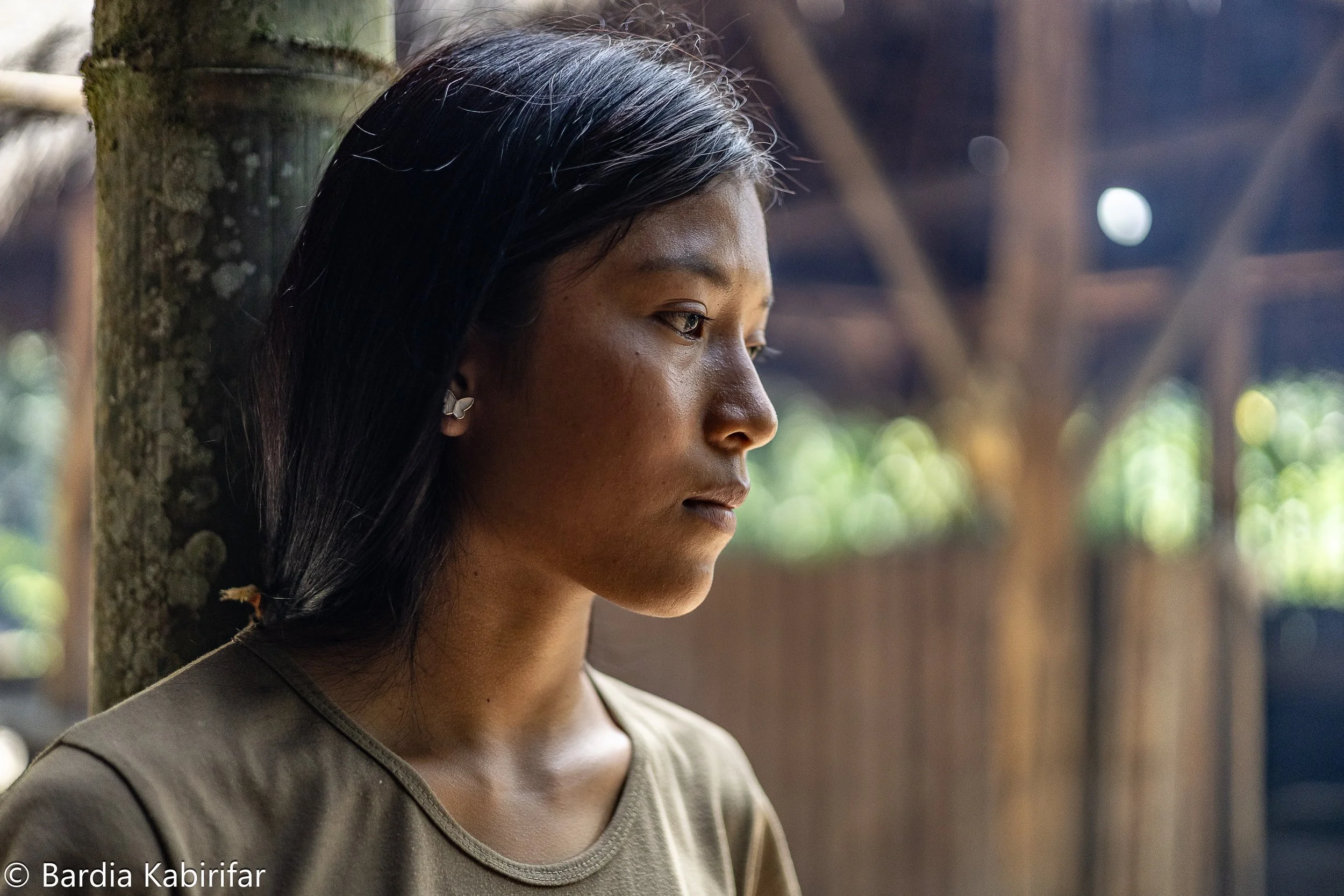
Portrait of Idania. The rescue center, has also helped with founding a school where many of the local children study. Through various environmental awareness activities, the students become aware of the importance of their surrounding nature. (September 27th, 2024 Napo, Ecuador)
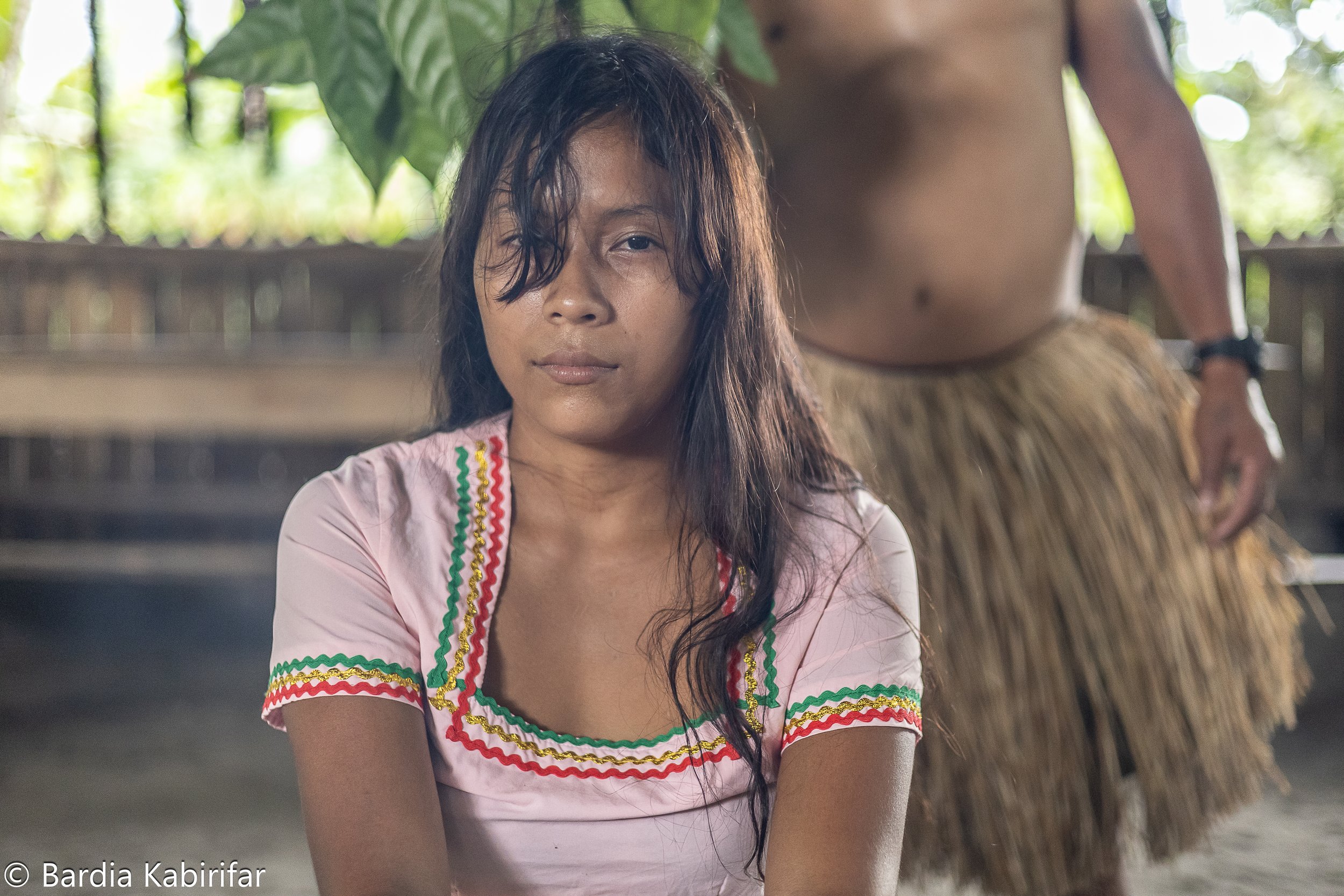
A Kichwa spiritual leader is performing a spiritual ritual. Kichwa spiritual beliefs are based on a deep, living relationship with nature in which Mother Earth, or Pachamama, is revered as a sacred, living entity rather than a resource to be used. (October 2nd, 2024 Napo Ecuador)
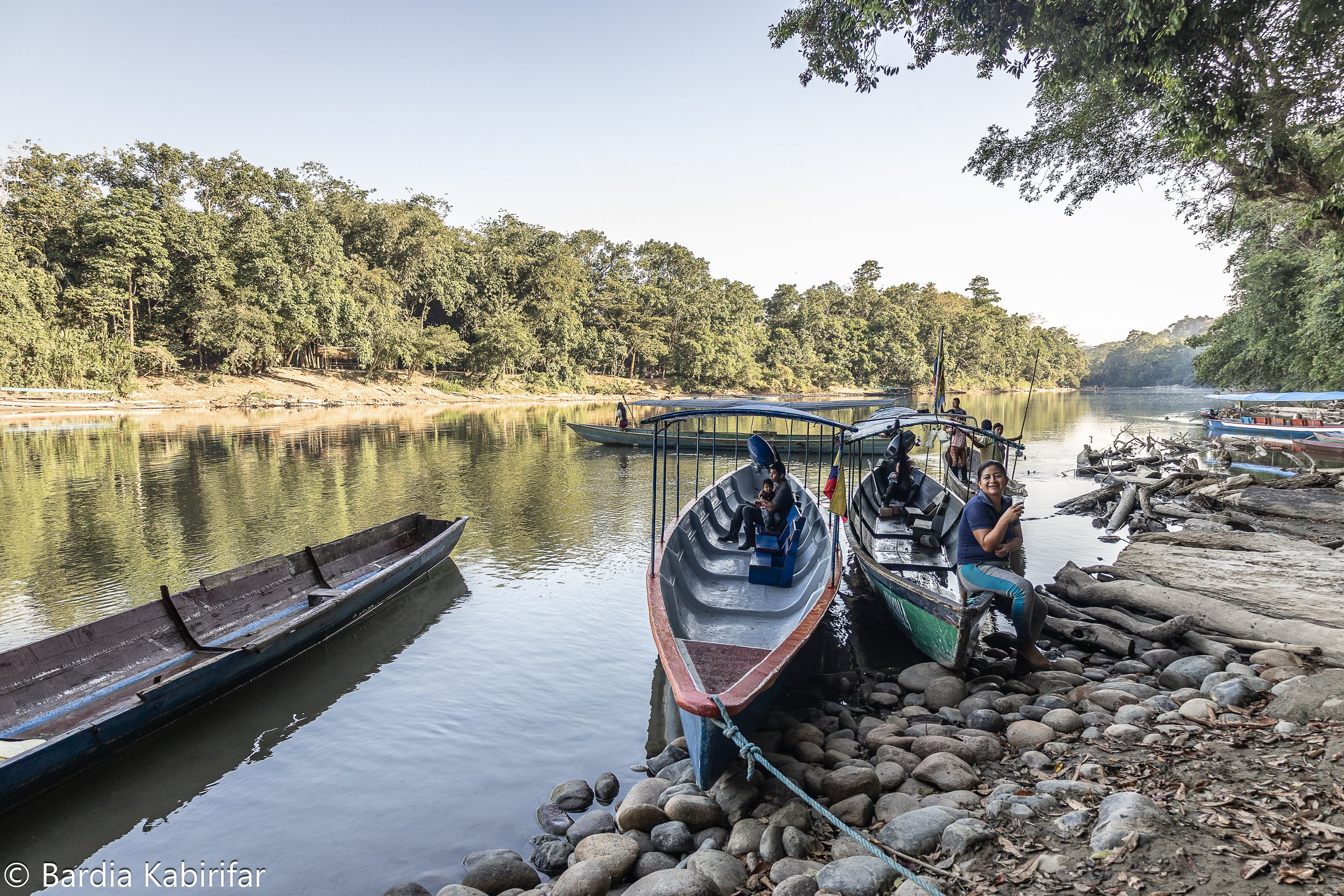
Members of Kichwa community waiting on the shore of Rio Arajuno. As the largest indigenous ethnicity of Ecuador, the Kichwa people have an strong bond with their surrounding nature. Many communities are only accessible by boat and are highly vulnerable to climate change including the recent precipitation drops. (September 26th, 2024 Rio Arajuno, Ecuador)
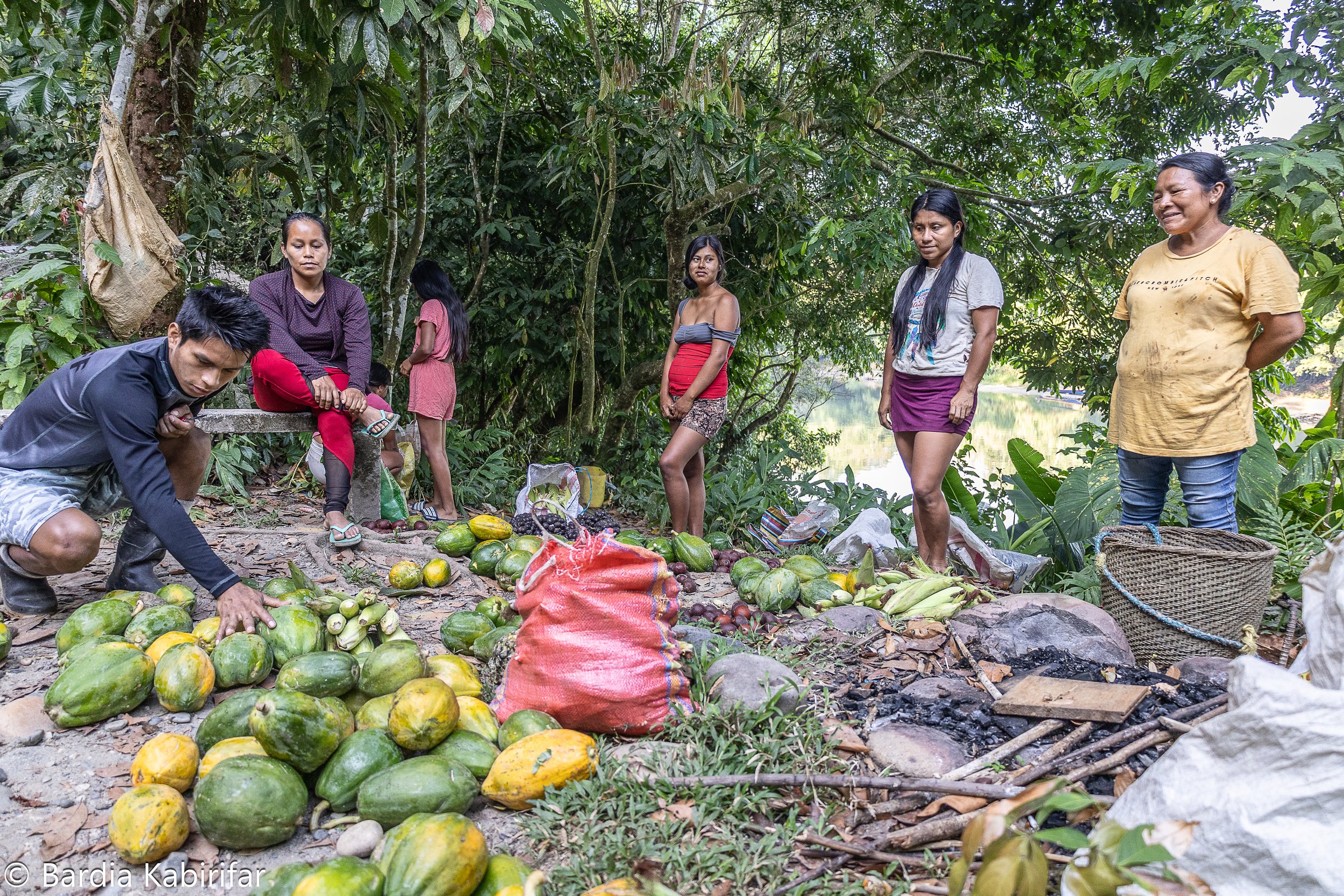
Kichwa community members are the main foot provider for Amazoonico wildlife rescue center located close to the Kichwa community of Isla Anaconda. This not only provides the community with more financial opportunities but also gives them a chance to contribute more to the wildlife conservation activities. (September 26th, 2026 Napo, Ecuador)
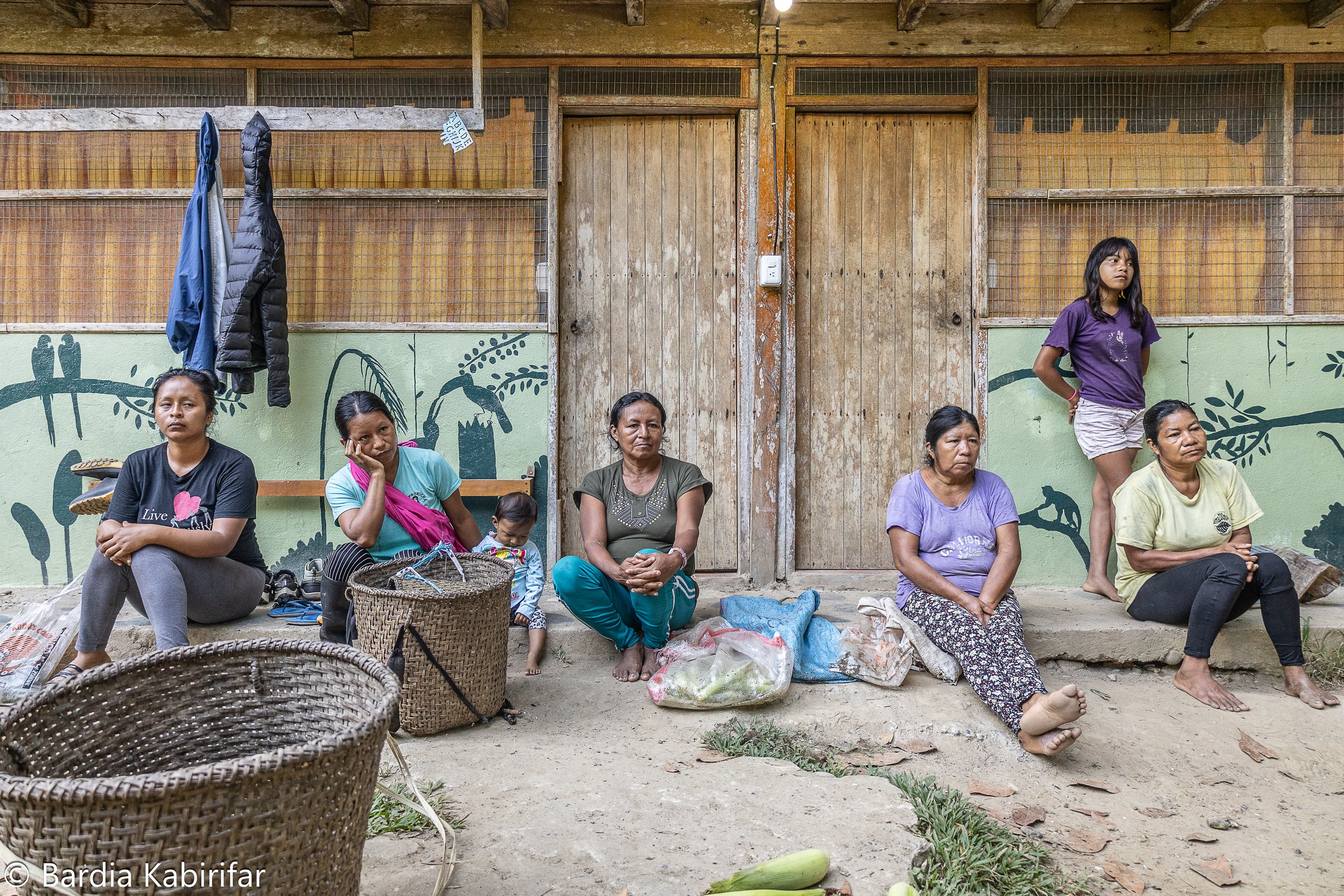
Kichwa community members are the main foot provider for Amazoonico wildlife rescue center located close to the Kichwa community of Isla Anaconda. This not only provides the community with more financial opportunities but also gives them a chance to contribute more to the wildlife conservation activities. (September 26th, 2026 Napo, Ecuador)
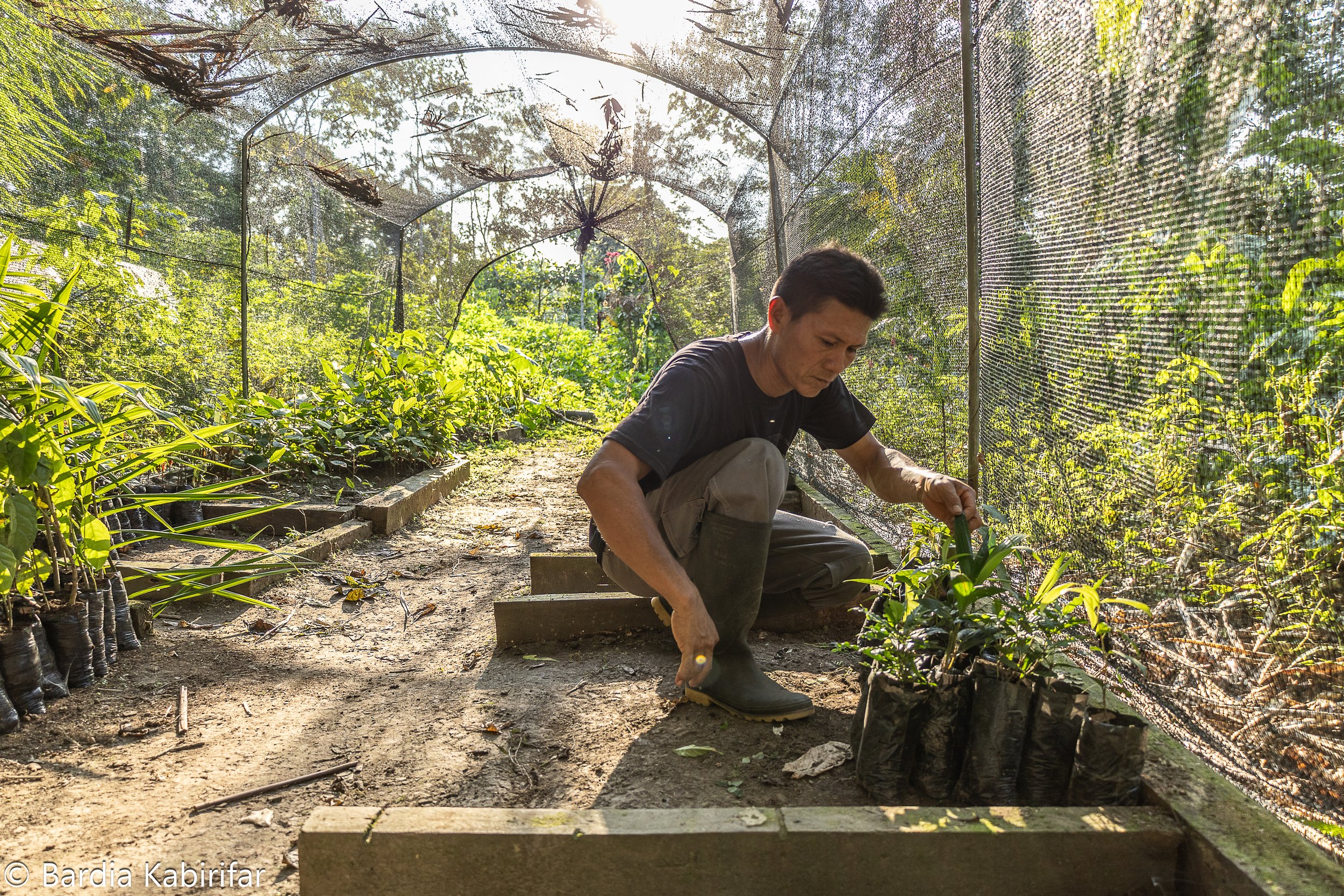
Edison is working in his medicinal plant farm. Within the last few years, he and his son, Abel, have initiated efforts to re-introduce and re-cultivate traditional medicinal plants in their community. In the Kichwa culture, various plants are used for treating illnesses showing another example of the importance of nature in their daily lives. (September 26th, 2024 Isla Anaconda, Ecuador)
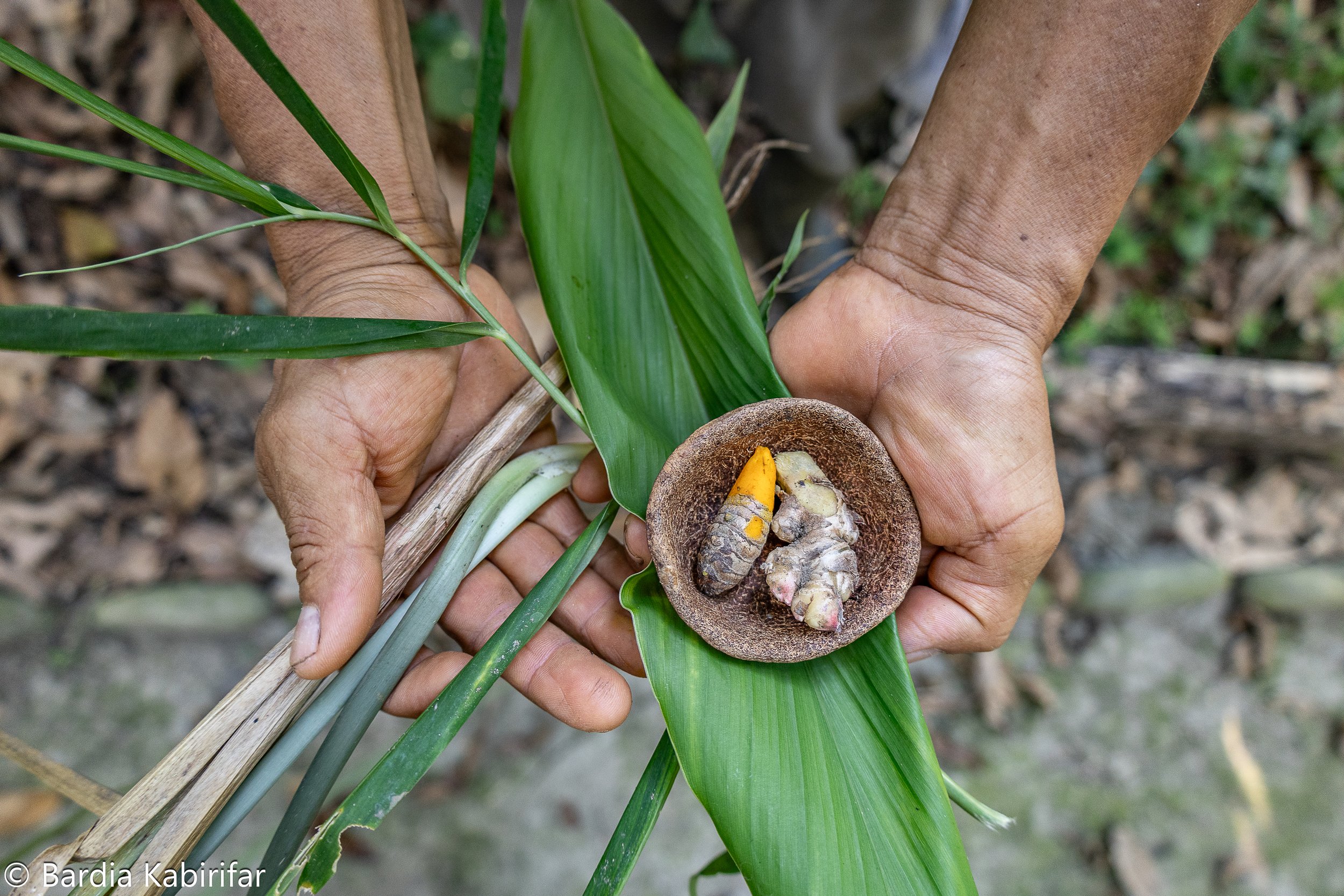
Edison holds various plants that are used as medicine by the Kichwas. Within the last few years, he and his son, Abel, have initiated efforts to re-introduce and re-cultivate traditional medicinal plants in their community. (September 24th, 2024 Isla Anaconda)
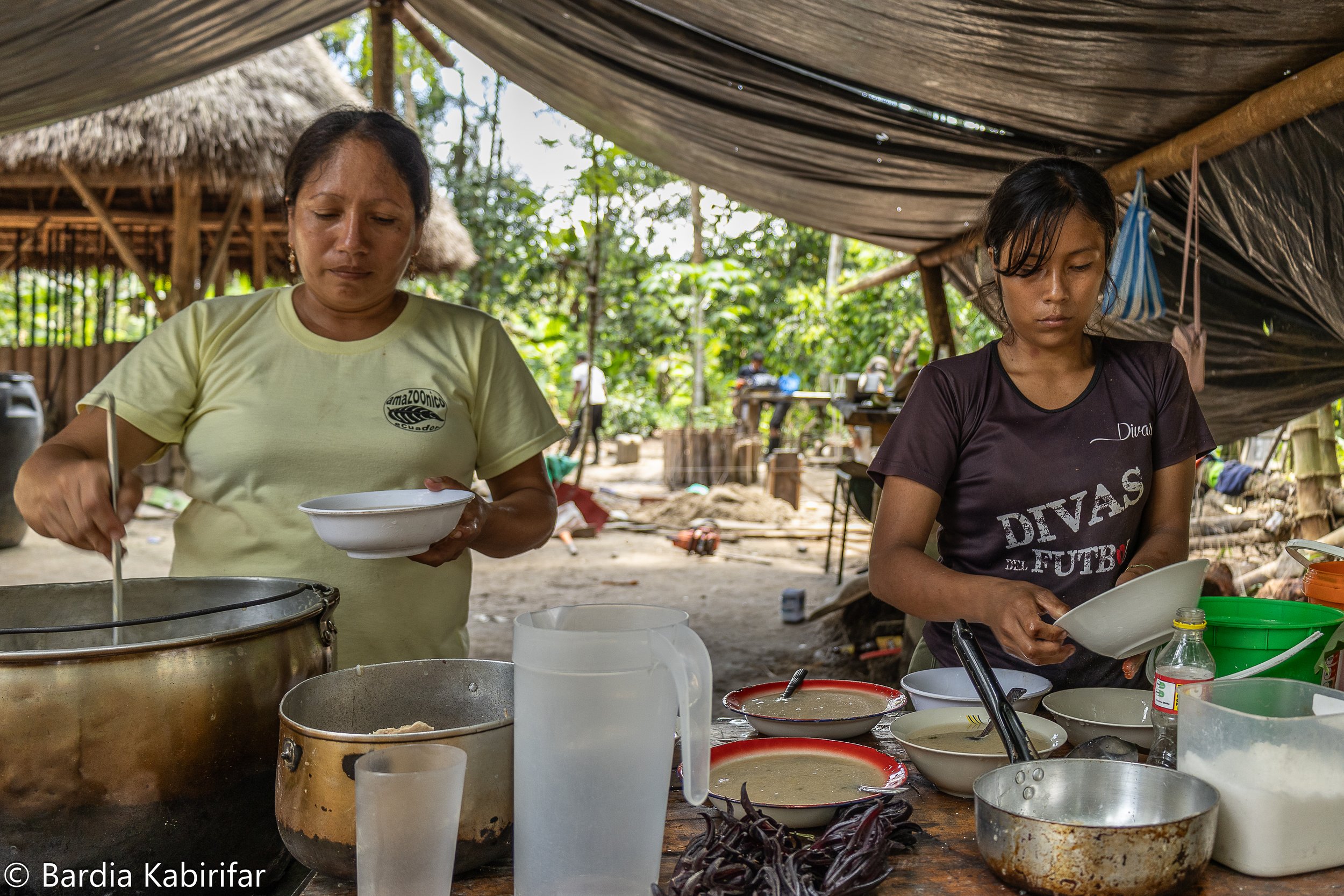
Sandi and Elsa serve food as part of the communal Minga. In Kichwa culture, a Minga is an opportunity for community members to gather and help each other with various activities. (September 27, 2024; Napo, Ecuador)
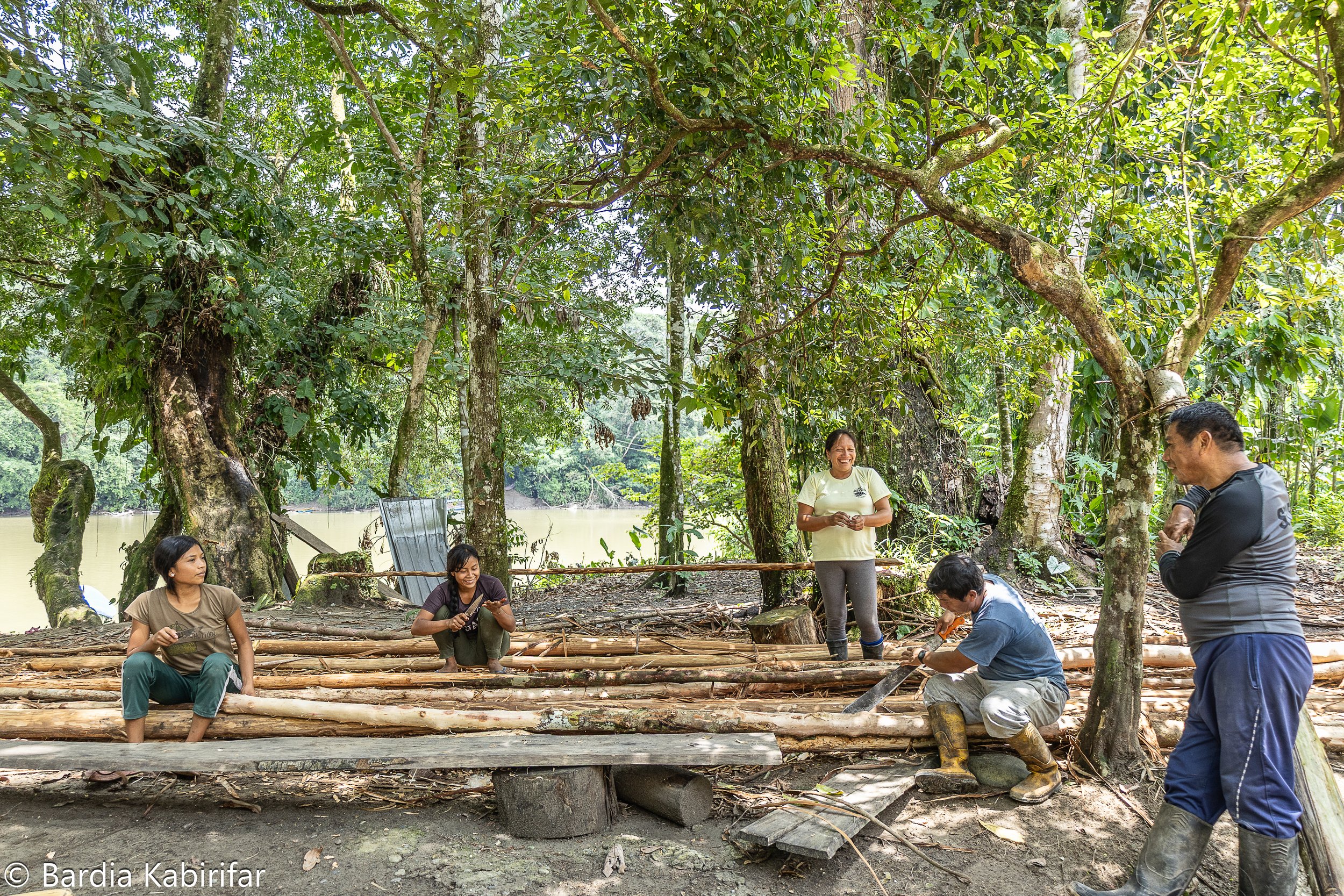
Community members work together to build a new community kitchen as part of a Minga gathering. Traditional Kichwa architecture uses sustainable, local materials from the environment to build functional, climate-adapted structures. (September 27, 2024; Napo, Ecuador)
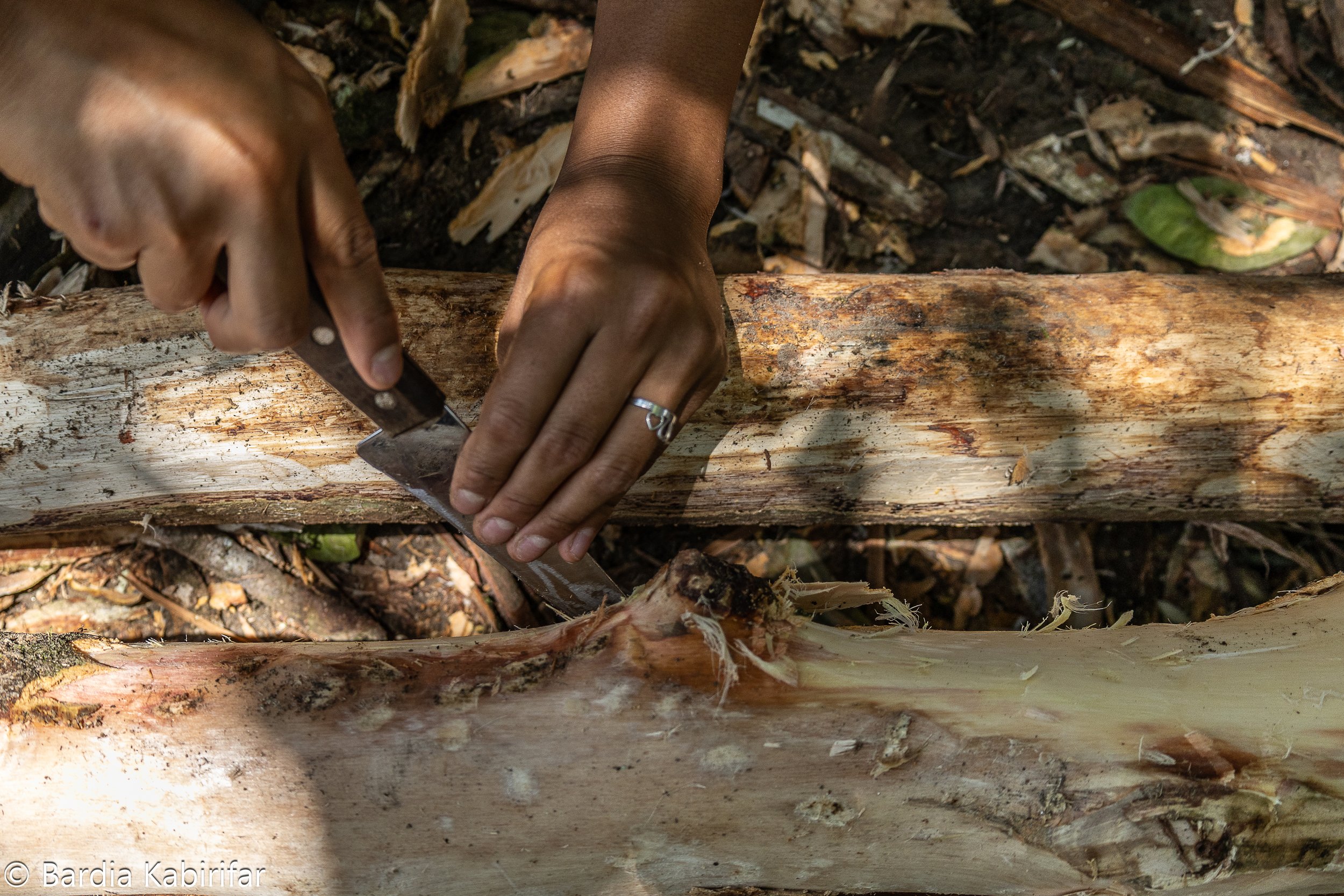
Traditional Kichwa architecture uses sustainable, local materials from the environment to build functional, climate-adapted structures. (September 27, 2024; Napo, Ecuador)